
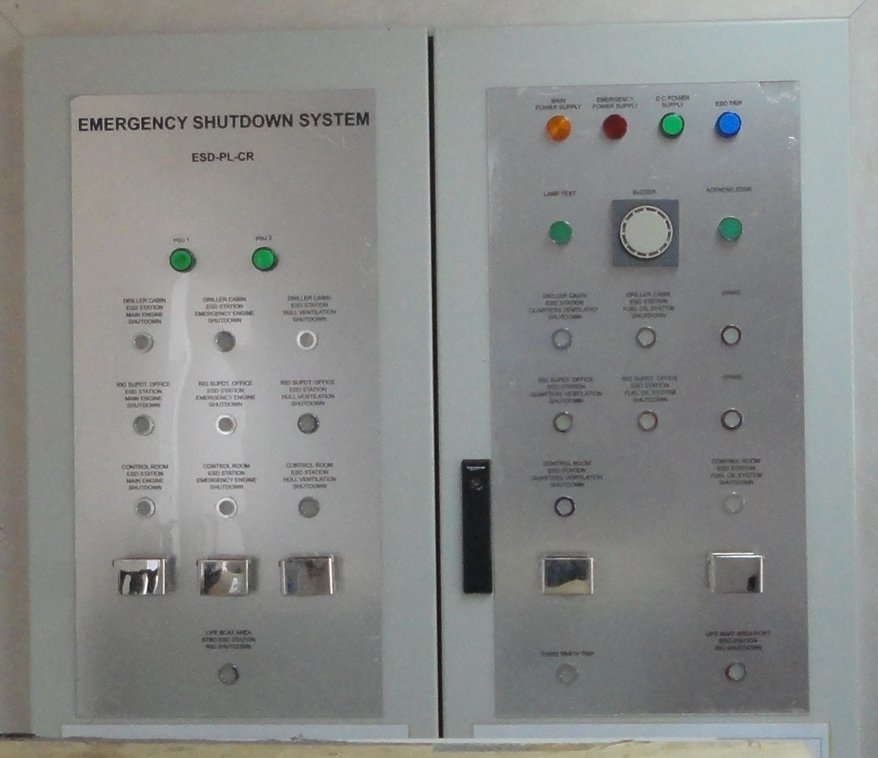
Common Pitfalls in ESD System Design and How to Avoid Them
The Emergency Shutdown System (ESD) is one of the most critical safety layers on offshore assets such as FPSOs and fixed platforms. Designed to protect personnel, equipment, and the environment, it must perform flawlessly when a hazardous event occurs.
However, many offshore operators unknowingly face vulnerabilities due to design flaws, integration issues, and overlooked engineering considerations. In this article, we highlight the most common pitfalls in ESD system design offshore—and how to prevent them with proper engineering and lifecycle management.
1. Inadequate Cause & Effect (C&E) Development
The Cause & Effect Matrix is the backbone of the ESD system. Common mistakes include:
-
Vague cause definitions
-
Overly conservative shutdown logic
-
Missing interlocks between process units
-
Misalignment between ESD and Fire & Gas (FGS) logic
A poorly developed C&E leads to false trips, unsafe conditions, or unmanageable shutdown sequences.
✅ How to avoid it:
Use a multidisciplinary approach (process, instrumentation, safety, operations) and validate logic early using simulation, FAT, and operator walk-throughs.
2. SIL Misclassification and Incorrect Safety Layer Allocation
Safety Integrity Level (SIL) studies ensure that each safety function is designed to meet required reliability levels. However, common pitfalls include:
-
Underestimating risk levels
-
Over-designing SIL (costly and unnecessary)
-
Incorrectly assigning safety layers
These mistakes can compromise compliance with IEC 61511 and affect system reliability.
✅ How to avoid it:
Conduct proper LOPA (Layer of Protection Analysis) and collaborate with certified functional safety engineers for SIL determination.
3. Poor Integration Between ESD, FGS, and DCS
ESD systems do not operate in isolation. They must integrate seamlessly with:
-
Fire & Gas System (FGS)
-
Distributed Control System (DCS)
-
Process control loops
-
Shutdown valves and field instrumentation
Improper integration results in slow response times, missed alarms, or unsafe shutdown sequences.
✅ How to avoid it:
Ensure vendor-neutral engineering and thorough system integration testing (SIT). Clear communication protocols and redundancy must be established from the start.
4. Inadequate Field Equipment Selection
The ESD logic is only as strong as its field devices. Common issues are:
-
Using non-SIL-certified transmitters or valves
-
Poor actuator selection on critical shutdown valves
-
Lack of environmental protection for offshore conditions (salt, humidity, vibration)
These weaknesses can cause ESD failure during critical events.
✅ How to avoid it:
Select proven SIL-rated equipment, perform environmental compatibility checks, and validate fail-safe mechanisms during commissioning.
5. Insufficient Testing and Maintenance Strategy
Even a perfectly designed ESD system can degrade without proper testing. Offshore operators often face:
-
Limited shutdown windows
-
Deferred testing due to production pressure
-
Lack of partial stroke testing (PST) for valves
-
Ineffective proof test procedures
This leads to undetected faults and compromised functional safety.
✅ How to avoid it:
Implement a well-planned testing regime, including:
-
Partial Stroke Testing
-
Online diagnostics
-
Scheduled proof testing
-
Digital monitoring dashboards
This ensures continuous readiness without affecting production significantly.
Conclusion
Designing an effective ESD system offshore requires far more than assembling components—it demands deep functional safety expertise, robust integration practices, and continuous lifecycle management. Avoiding these common pitfalls can dramatically improve offshore safety, reduce downtime, and ensure compliance with global standards.
👉 If you want to audit, redesign, or upgrade your offshore ESD system, we can help. Contact us to ensure your FPSO or platform meets the highest safety standards.
Keywords: DCS, ICSS, ESD (emergency shutdown), Platform
Contact: +6017-347 5015 (Faiq:Head of DCS Team)
